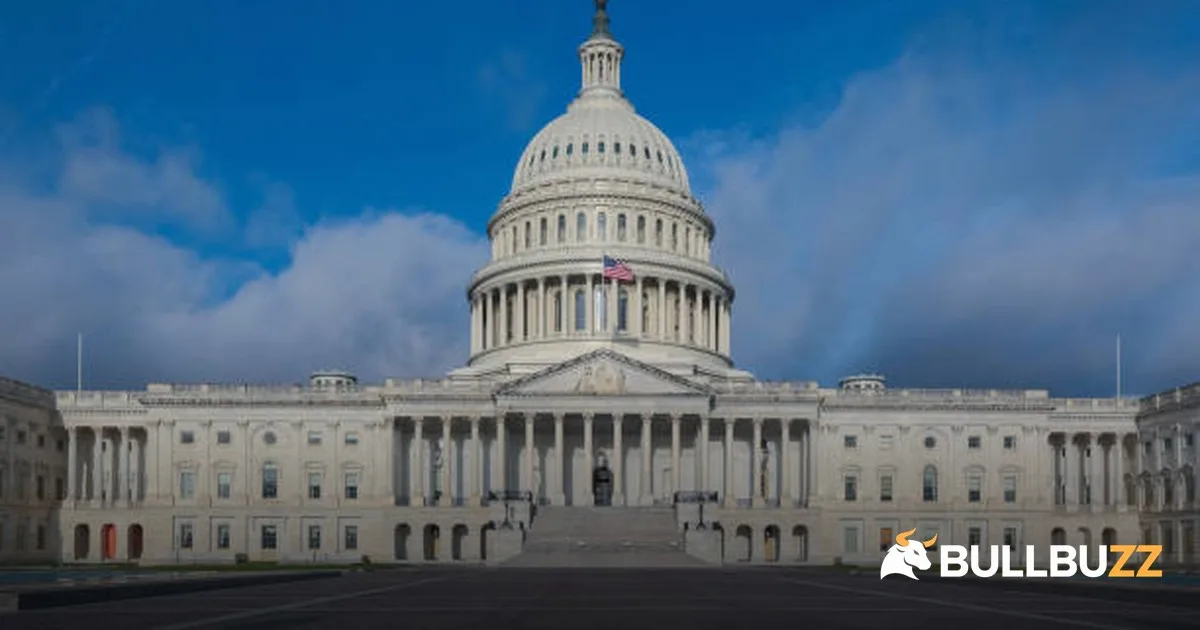
Two days after the Senate blocked the Clarity Act, US regulators stopped asking Congress for permission. The CFTC has sent its own crypto rulemaking to the White House for review while the Federal Reserve proposed the first reserve and capital rules for stablecoin issuers, all within about 48 hours, The Cryptonomist reported.
The Clarity Act would have split oversight of digital commodities between the SEC and CFTC. It fell short of the 60 Senate votes required and is now stalled until the midterms. Both agencies are moving under existing authority instead: the SEC had already opened a temporary pathway for trading certain tokenized stocks just days earlier.
Related reading: SEC faces Sept 27 deadline on options for crypto ETFs; NYSE taps Blockchain.com for 24/7 tokenized stock trading.
What the CFTC just greenlit
On September 24, three CFTC divisions updated guidance to confirm that futures firms can hold customer funds in tokenized form and use blockchain records to meet federal recordkeeping rules. Tokenized investments must still meet the same Regulation 1.25 standards as traditional ones, and blockchain records face real conditions under Regulation 1.31, UseTheBitcoin reported.
Chair Michael Selig framed the broader rulemaking bluntly: President Trump promised a future-proof crypto market structure "one way or the other," and the agency will deliver it using existing statutory authority. Blockchain Association CEO Summer Mersinger said clearer rules will "open up the industry to more investment, more integration into traditional finance, and really grow the sector."
The Fed's stablecoin rulebook
The Fed's twin proposals under the GENIUS Act set the money standard. Board-supervised issuers must fully back payment stablecoins with short-term Treasury bills and other high-quality liquid assets, plus meet capital, custody and risk management requirements. Banks wanting to issue their own stablecoins face a tailored application with business plans and financial documents, CoinGabbar reported.
Taken together, the message is that dollar stablecoins will run on bank-grade plumbing, with full reserves and supervised issuers, rather than the lightly overseen model of earlier cycles.
The market loves it
Crypto rallied through the regulatory wave. Bitcoin, Ether, XRP and Cardano all pushed higher, the global market cap rose 1.9% to $2.96 trillion, and sentiment held in Greed at 71. Regulatory clarity, even the strict kind, beats limbo: institutions can finally budget, build and disclose around rules that exist.
The contrast with Congress could not be sharper. Lawmakers managed a stalled bill; unelected regulators delivered three concrete frameworks in a week.
What it means for Malaysia
Malaysia is ahead of this curve in one respect: the Securities Commission already licenses digital asset exchanges such as Luno, with segregated client assets and disclosure rules. US clarity helps at the institutional layer, where Malaysian banks and fund managers need foreign rulebooks they can map to before touching tokenized products.
Watch Bank Negara's response to the GENIUS template. Full-reserve backing plus supervised issuers is a model any central bank can copy, and a ringgit stablecoin under similar rules would plug straight into the Asian payment corridors already going live.
What to watch next
- OMB review: the White House verdict on the CFTC's rulemaking sets the pace
- SEC dates: the Sept 27 ETF-options deadline, then the Oct 1 closed-door crypto session
- Bank applications: which lenders move first to issue payment stablecoins
- Midterms: whether a new Congress revives the Clarity Act or ratifies regulator-made rules